Sesame seed prep + roast curve + hydraulic pressing + aroma-grade bottle

Sesame oil press line: oil 45-55%, roasted 180-200°C / cold ≤60°C, shelf life 12-24 months.

Sesame oil is defined by aroma. Whether low-temperature pressed for delicate clarity or roasted for deep amber fragrance, the entire line — from seed-lot segregation through roast curve to settled, filtered, bottled oil — must be designed around the flavor position on the shelf.

  • Seed-lot segregation (white vs black, roast vs low-temperature) should be decided before equipment scope because it determines oil color, aroma, bottle identity, and changeover rules.
  • The roast curve — temperature, time, and cooling — is treated as the core process module because it creates the aroma that defines roasted sesame oil.
  • Settling, polish filtration, and bottling are treated as aroma-preservation steps that must be scoped with the press, not added later.

Fast inquiry

No need to read everything first; send these 4 points

Start sesame project brief
1Feed form and cleaning status
2Hot, cold, or aroma target
3Filtration, settling, or storage after pressing
4Crude, bulk, or bottled final product
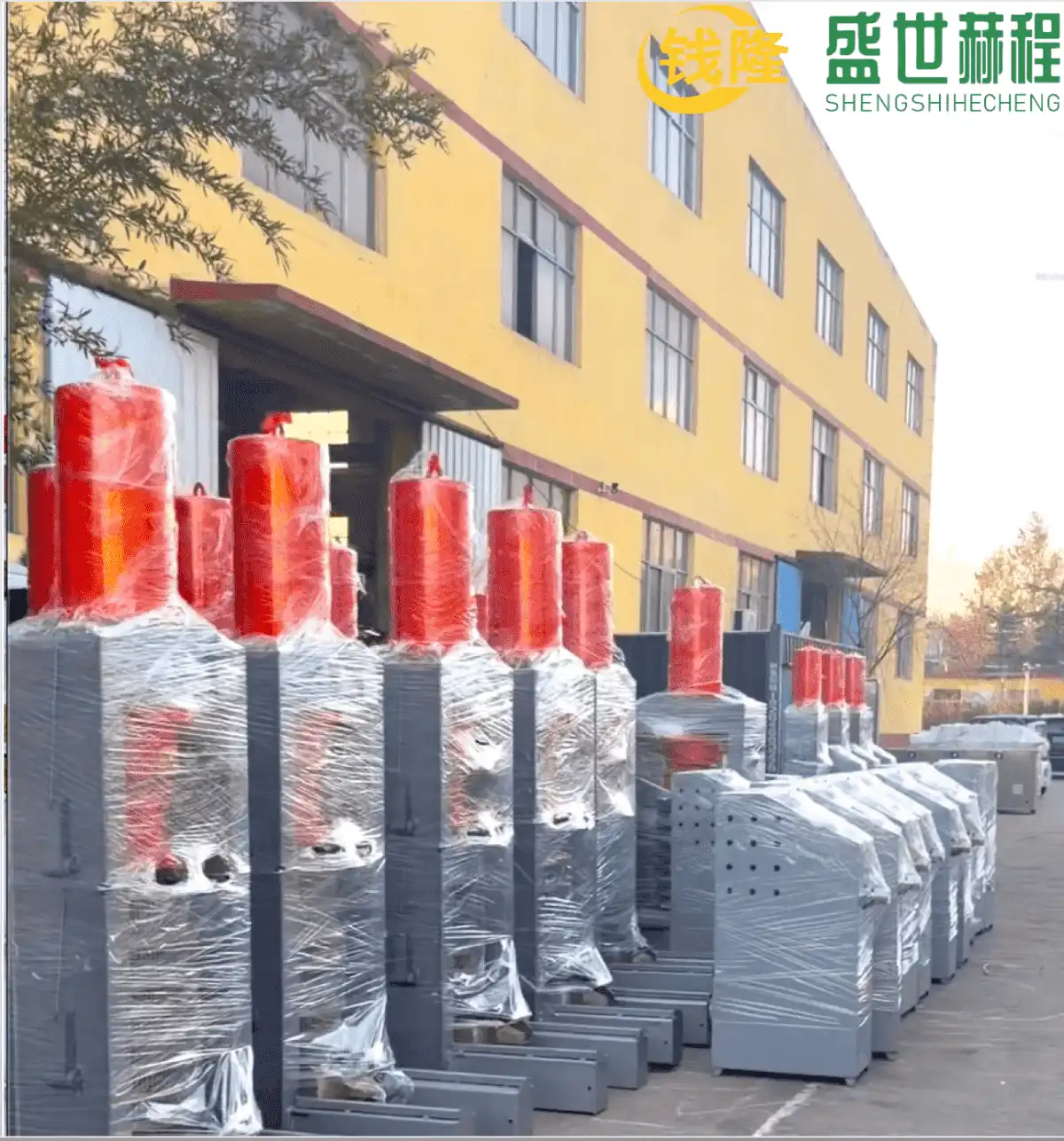
Hydraulic press equipment reference for sesame oil projects
Seed lots define the oil

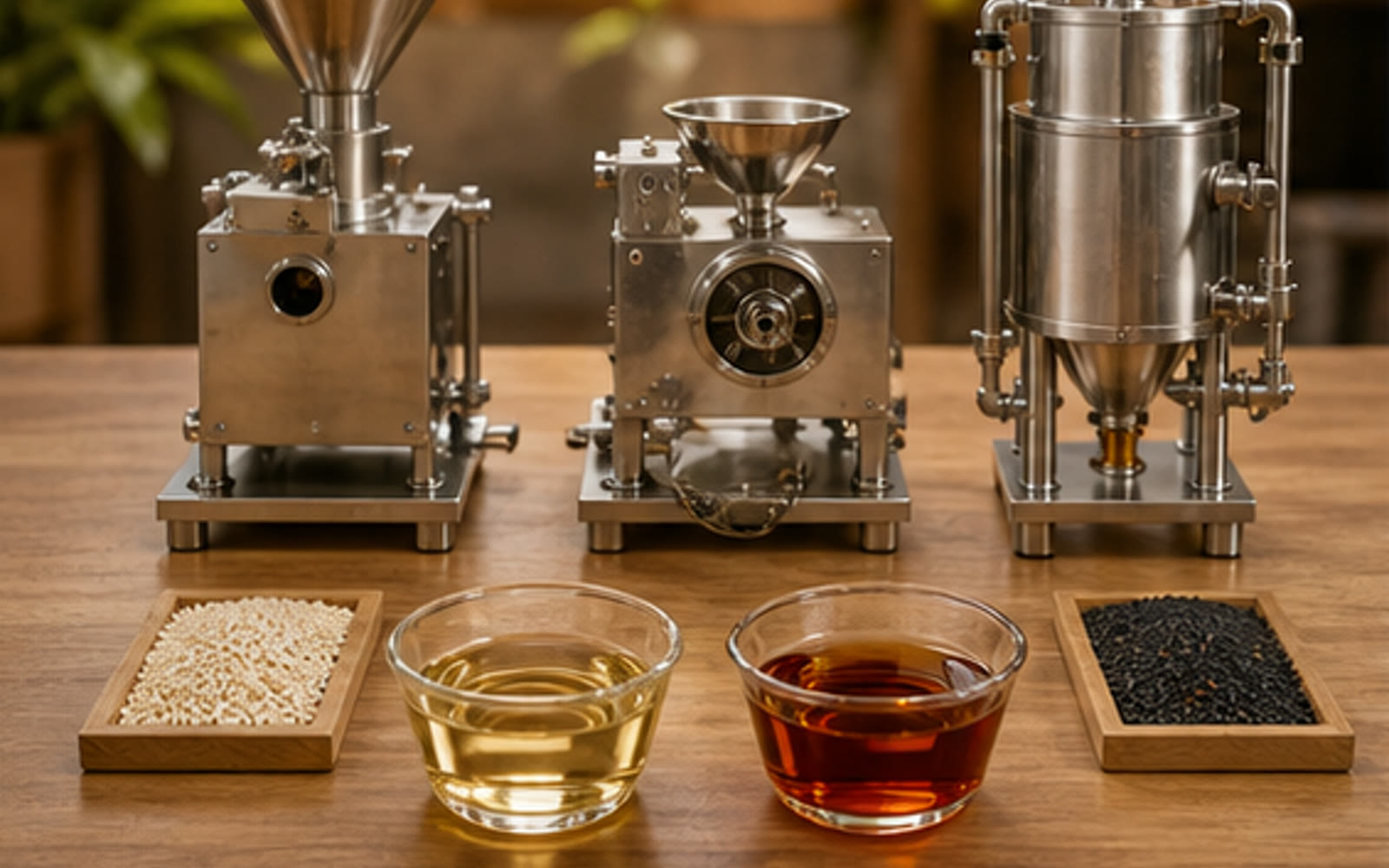
White and black sesame lots staged for premium aroma oil — the flavor split starts here

Sesame is the only common oilseed where seed color directly predicts oil color, flavor intensity, and market positioning. White sesame yields pale, mild oil for low-temperature premium routes. Black sesame yields darker, more intense oil often positioned as a health-food ingredient. Separating these at intake — not blending them — is the first architectural decision.

See seed prep
Aroma flow
01:05

From seed cleaning through roast curve, hydraulic pressing, settling, and amber-oil bottling

This clip follows sesame seeds from the cleaning screen through the roasting drum, into the hydraulic press, and through settling into bottle-ready filtered oil. It shows why the roast curve — not the press alone — creates the aroma that carries the product value.

Watch aroma flow
Hydraulic press cold and hot process reference
Roast curve

Roast temperature, holding time, and cooling discipline — the aroma-creation module

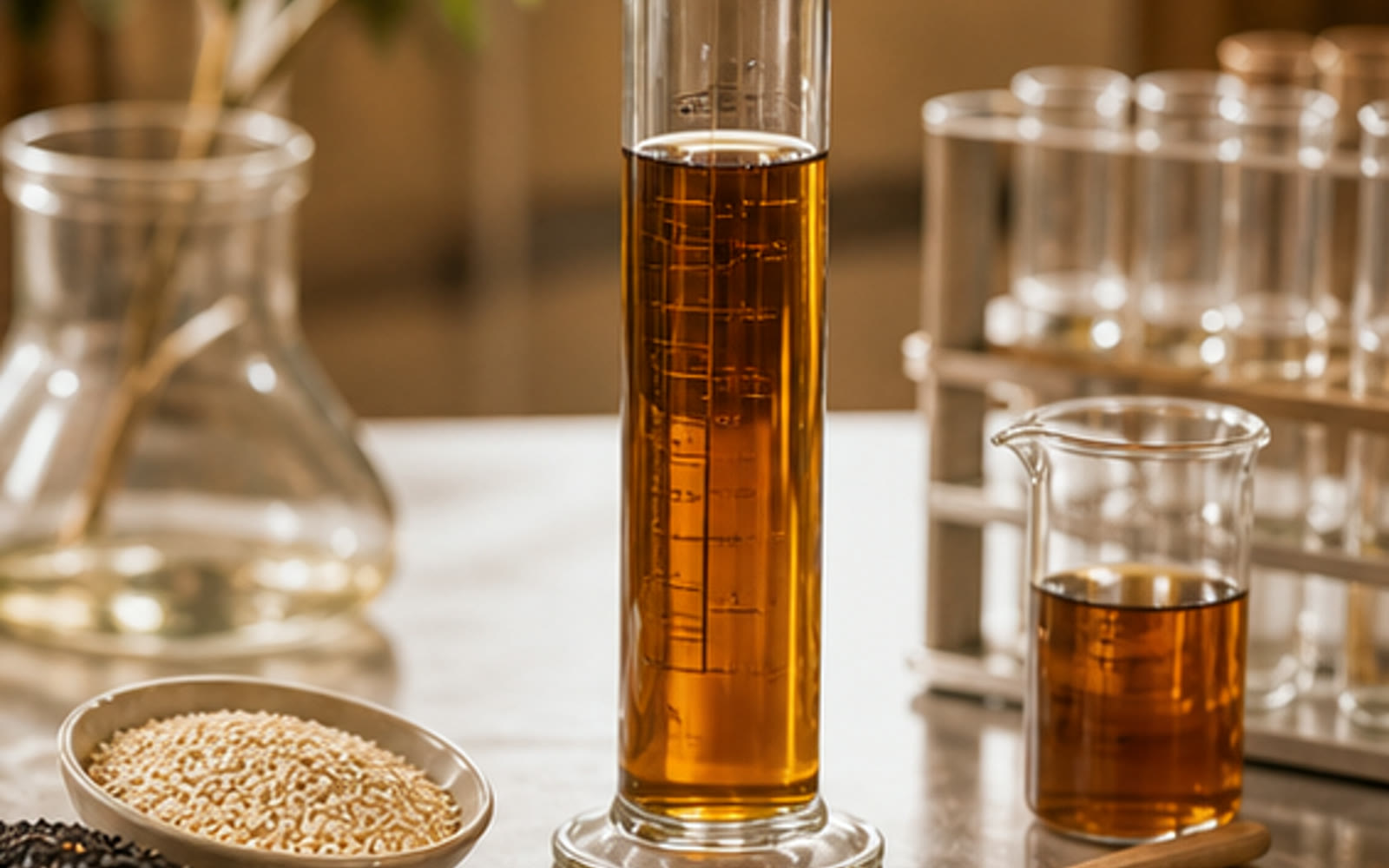
Roasted sesame oil gets its characteristic deep amber color and intense nutty-toasty aroma from the Maillard reaction during roasting. The roast curve — temperature ramp, hold time, and rapid cooling — is the most value-creating step on a sesame line. Under-roast leaves the oil bland; over-roast turns it bitter.

Compare routes
Sesame oil finishing and packaging equipment reference
Finished pack

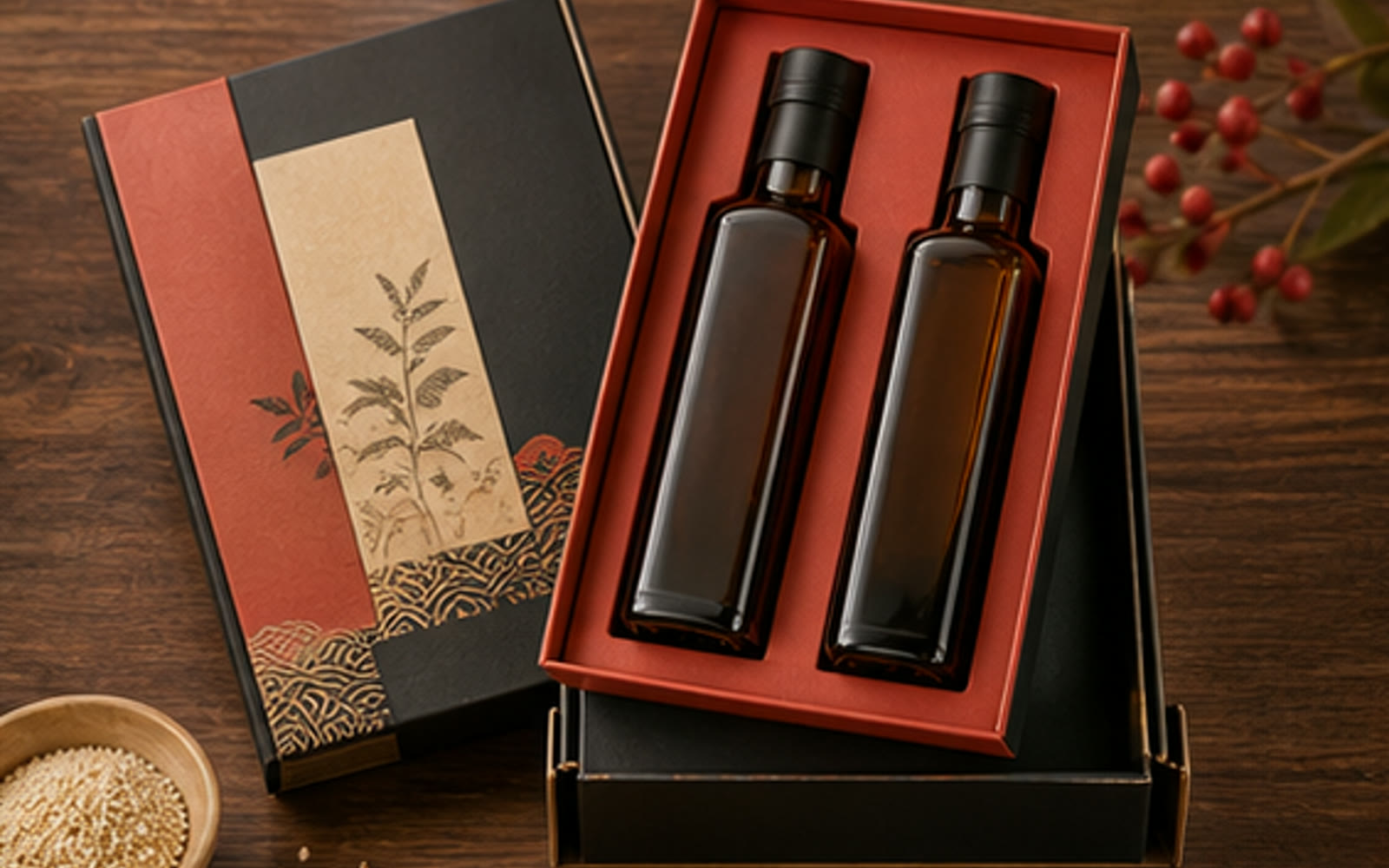
Clarified sesame oil in dark glass and gift cartons — the shelf impression that sells

Sesame oil is a presentation product. The bottle shape, label design, oil clarity, and gift carton together determine whether the product can hold a premium. These are not cosmetic decisions — they are part of the line scope.

See bottled line
Sesame Oil Press

From raw material to finished oil — design, manufacturing, installation, and technical support for small to large-scale oil plants. Qingzhou, Weifang, Shandong Province, China.

300-630 ton hydraulic lineup

Seven hydraulic models from 300–630 ton — hot (300/325) and cold (355–500 class) with 100 kg max feed per batch (see spec tables).

One-stop oil plant scope

Pressing, refining, dewaxing, filtration, filling, and supporting equipment — ODM supported for complete oil projects. Since 2008: 200+ staff, 1000+ customers served.

Project path

Three steps to judge scope, then send requirements

Real projects do not need a long directory first. Start with feed, route, and post-press handoff; after that, the factory can discuss scope directly.

1

Route and flavor target

Confirm the feed starting point

Whole seed, kernels, screened feed, moisture, and impurities change pretreatment and press rhythm.

See feed prep
2

Pressing and filtration

Choose hot, cold, or product route

Route decides roasting, temperature, filtration, oil finish, and packaging before model comparison.

See route options
3

Product format and brief

Send the project inputs to the factory

Output target, workshop, voltage, downstream handoff, and photos make sizing much faster.

Start sesame project brief

Photos and videos first

See equipment, workshop, and delivery before the details

If the full brief is not ready yet, these clips show barrels, pressing, cake discharge, workshop layout, larger models, and export delivery so the scope becomes easier to place.

Contact after viewing
Sesame hot press
00:16

Sesame hot pressing depends on roasting and barrel fit

Roasting temperature, barrel choice, oil flow, and cake removal matter more than model name alone.

Barrel and model
00:14

See the 300 / 325 / 355 barrel and model scale

Seeing the barrel, frame, and loading space makes capacity, shifts, and model selection easier to discuss.

Workshop
00:16

Workshop view for layout and operating side

Useful for checking footprint, access aisles, loading side, cake discharge, and filtration position.

Cake discharge
00:14

Cake discharge should be planned with oil handling

Bagging, bins, or crushing after discharge changes press-room flow and by-product value.

Capacity upgrade
00:14

500 model view before expansion or multi-press planning

When the project moves beyond trial batches, workshop height, lifting, loading, and filtration need to be checked together.

Export case
00:14

Export projects need voltage, packing, and delivery conditions

For export projects, voltage, crate packing, spare parts, installation mode, and destination port should be aligned early.

Delivery scene
00:14

Delivery depends on installation interfaces prepared early

Fast startup after arrival depends on power, foundation, lifting, and staffing being confirmed before shipment.

Hydraulic press equipment reference for sesame oil projects
Seed lots define the oil

White and black sesame lots staged for premium aroma oil — the flavor split starts here

Sesame is the only common oilseed where seed color directly predicts oil color, flavor intensity, and market positioning. White sesame yields pale, mild oil for low-temperature premium routes. Black sesame yields darker, more intense oil often positioned as a health-food ingredient. Separating these at intake — not blending them — is the first architectural decision.

See seed prep
Aroma flow
01:05

From seed cleaning through roast curve, hydraulic pressing, settling, and amber-oil bottling

This clip follows sesame seeds from the cleaning screen through the roasting drum, into the hydraulic press, and through settling into bottle-ready filtered oil. It shows why the roast curve — not the press alone — creates the aroma that carries the product value.

Watch aroma flow
Hydraulic press cold and hot process reference
Roast curve

Roast temperature, holding time, and cooling discipline — the aroma-creation module

Roasted sesame oil gets its characteristic deep amber color and intense nutty-toasty aroma from the Maillard reaction during roasting. The roast curve — temperature ramp, hold time, and rapid cooling — is the most value-creating step on a sesame line. Under-roast leaves the oil bland; over-roast turns it bitter.

Compare routes
Sesame oil finishing and packaging equipment reference
Finished pack

Clarified sesame oil in dark glass and gift cartons — the shelf impression that sells

Sesame oil is a presentation product. The bottle shape, label design, oil clarity, and gift carton together determine whether the product can hold a premium. These are not cosmetic decisions — they are part of the line scope.

See bottled line

Aroma-first process

Sesame oil planning starts with seed variety, roast intent, and aroma route — not press tonnage

Sesame oil is one of the few edible oils where the aroma is the product. Whether mild and pale from low-temperature white sesame, or deep amber with intense toasty fragrance from roasted seeds, the flavor route must be declared before the press is discussed.

Compare sesame routes
Step 1

Segregate seed lots: white, black, and roast intent

White sesame and black sesame produce different oils. Roasted and low-temperature routes need different preparation. Mixing at intake destroys the ability to tell a clear flavor story at the end.

Step 2

Define the roast curve or confirm low-temperature discipline

For roasted oil: temperature ramp, hold time, and rapid cooling create the Maillard-reaction aroma. For low-temperature oil: temperature control and gentle handling preserve the mild, light character. These are opposite engineering targets sharing the same press.

Step 3

Settle and polish-filter for the target clarity and aroma

Roasted sesame oil needs calm settling to separate sediment without losing the volatile aroma compounds. Low-temperature oil needs lighter filtration to preserve its delicate character. Both routes require the filtration step to be designed for the specific oil style.

Step 4

Package for aroma retention and shelf presentation

Sesame oil aroma degrades with light and oxygen exposure. Dark glass, sealed caps, and gift cartons protect the product and justify the premium price. Short filling runs keep inventory fresh.

48–55%
sesame seed oil content
High oil content makes hydraulic pressing efficient. The value, however, is in aroma — not just yield.
2
distinct aroma routes: low-temperature and roasted
Low-temperature and roasted sesame oils are different products with different sales logic. The line must be designed for one or both.

Aroma line modules

Roasting room, press cell, settling tanks, and bottle station — the modules that create sesame aroma oil

A sesame line is not just a press with a roaster in front. It is an aroma-creation system where cleaning, seed-lot segregation, roast-curve control, gentle pressing, calm settling, polish filtration, and protected bottling each preserve the fragrance sold by the final product.

Roasting room with curve control

The roasting room is the aroma-creation module. Temperature ramp speed, peak temperature, hold duration, and cooling rate together determine the Maillard-reaction flavor profile. This is not a simple preheat — it is the most value-creating step on the line.

Calm settling and aroma-preserving filtration

After pressing, roasted sesame oil carries suspended particles and volatile aroma compounds. Settling must be calm and unhurried to separate sediment without losing fragrance. Filtration must balance clarity with aroma retention.

Dark-glass filling and export-ready pack-out

Sesame oil is a high-presentation product. Dark glass protects the aroma, gift cartons justify the retail price, and shrink sleeves or branded labels complete the shelf impression.

  • Keep white and black sesame storage separated when the finished oil color and aroma profile are sold differently.
  • Roast temperature and holding time matter more to aromatic sesame oil than tonnage claims.
  • Plan calm settling before export bottles, gift packs, or shelf-ready retail cartons.
  • Short transfer paths and smaller tanks help preserve aroma when the project sells premium sesame oil.

Product lanes

Low-temperature premium, roasted aroma, and export gift-bottle — three sesame business models

Sesame oil projects usually fall into three different businesses, not one machine purchase. Delicate low-temperature white sesame oil, roast-forward amber aroma oil, and gift-ready bottled SKUs each demand different seed lots, different process modules, and different bottle formats.
Low-temperature premium white sesame oil

Pale, mild oil from clean white sesame. Low-temperature handling, gentle pressing, and light filtration preserve the delicate character. The bottle is typically clear or light-tinted glass with a clean, minimalist label.

Roasted aroma sesame oil

Deep amber oil with intense toasty-nutty fragrance from controlled Maillard roasting. The roast curve is the value-creation step. Settling, filtration, and dark-glass bottling preserve the aroma through to the consumer.

Export gift-bottle program

Gift cartons, multiple bottle sizes, shrink sleeves, and export-ready labeling. The line must handle short runs, seasonal peaks, and pack-out coordination. This route often combines both low-temperature and roasted SKUs in one gift set.

  • Low-temperature sesame materials should emphasize clean seed, controlled heat rise, and polished oil clarity.
  • Roasted sesame sections should show roast-room logic, amber tone, and a stronger aroma cue.
  • Export bottle sections should connect filtration, dark glass, shrink sleeves, and carton presentation.
  • Black sesame deserves a separate premium route instead of being folded into mixed-seed wording.

Buyer brief

A sesame brief should state seed variety, roast intent, aroma target, and packaging finish

Faster sesame quotes come from product language, not from saying only 'we need a press.' Seed variety, roast intent, clarity target, and bottle style all matter because they determine whether the line needs a low-temperature pressing module, a roasting room, or both.

Open sesame quote guide
  • State whether the project uses white sesame, black sesame, or separate SKU lanes for both.
  • Describe the intended oil style: cold premium, roasted aroma, or a mixed bottled-oil program.
  • Say if the oil stops at crude transfer, polished filtration, dark-glass retail bottles, or gift cartons.
  • Attach seed photos, current roast method, and any label or carton references the supplier should match.
  • If black sesame is included, describe whether it is a separate SKU with its own aroma and presentation story.
The strongest sesame inquiries name the seed variety, the aroma route (low-temperature or roasted), the bottle format, and whether the line must handle both routes. That combination lets the factory design around flavor preservation — not just tonnage.

Batch rhythm

A sesame line should read as a 325 batch story, not only a hydraulic press story

Sesame copy becomes more believable when it describes small wrapped batches, a 325 hydraulic oil press, six separated layers, and a 25-40 minute pressing window. Those details keep the discussion tied to aroma, batch handling, and oil finish.
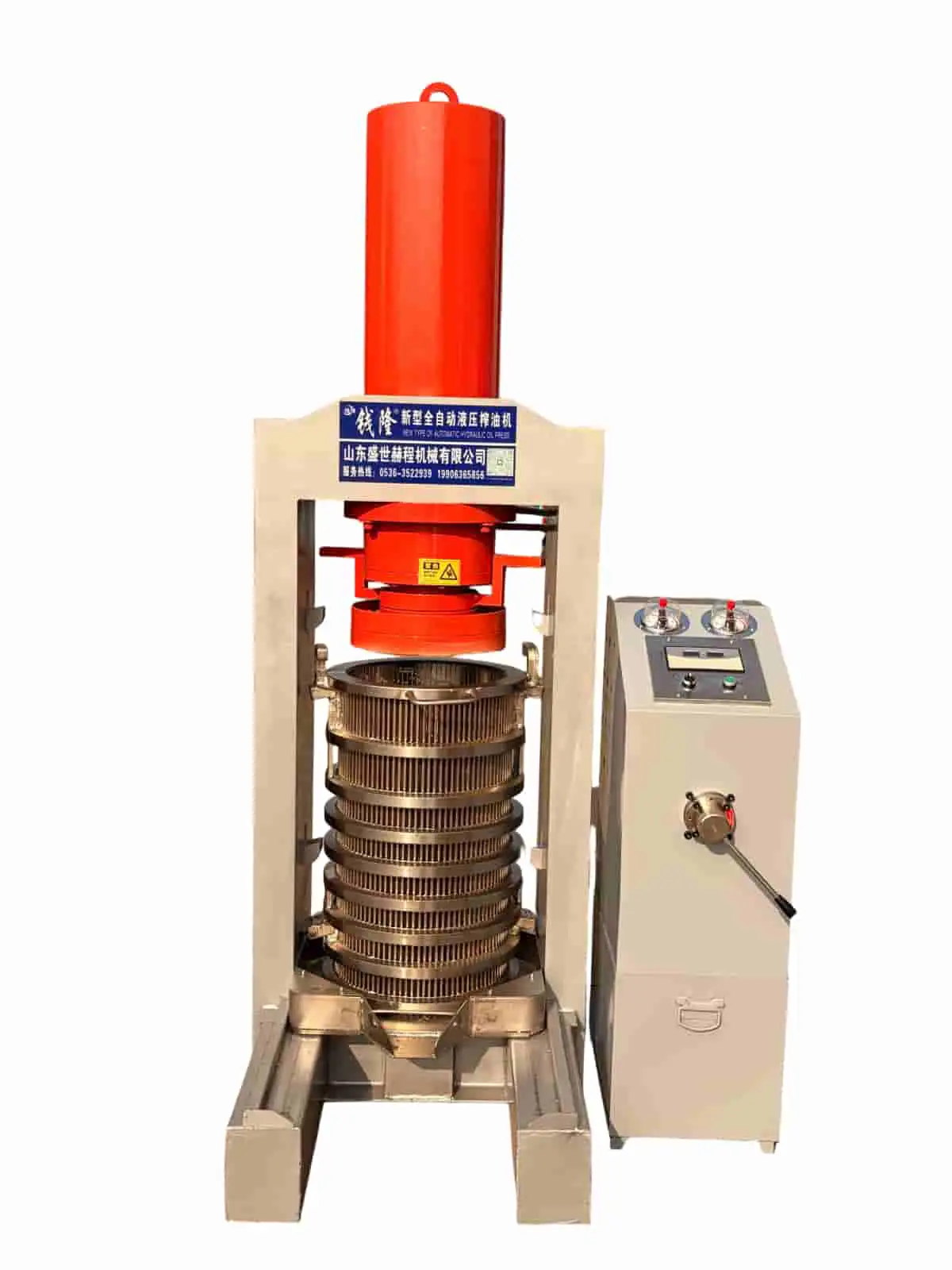
325 hydraulic press reference for sesame
325 class

Small sesame batches need batch discipline around the press

The visual is used here only after sesame cleaning, roasting intent, and finished-oil target are already named.

30 kg wrapped batches

Small wrapped sesame batches make cleaning, roasting curve, fill weight, cake thickness, and press timing visible in the same workflow.

Six-layer 325 pressing

The 325 machine is discussed here as a sesame batch cell: layer separation, oil flow, cake discharge, and operator access matter more than tonnage alone.

25-40 minute pressure window

The time window should be checked against roasted aroma, low-temperature oil color, cake use, and bottle clarity instead of being treated as a universal promise.

Pressing, filtration, and product handoff

Sesame press selection follows the route. Roasted (180-200°C roast + 80-100°C press): 200-325 ton hydraulic, 80-100 kg/barrel, 40-60 min cycle, yield 40-50%. Cold (≤60°C): 355-500 ton, 60-90 min cycle, yield 35-42%. Filtration: 200-300 mesh + 1-5 μm bag (retail) or 0.22 μm sterile (cosmetic). Packaging: dark glass 100-250 ml with N₂ headspace O₂ <2%, shelf life 12-24 months.

Roasted route hard data

Roast 180-200°C, 15-25 min in drum/wok roaster → press 80-100°C → yield 40-50% → sesamol 0.4-1.0% → smoke point 177°C → strong amber color → 200-300 mesh filter + settling.

Cold route hard data

≤60°C throughout → 355-500 ton press, 60-90 min cycle → yield 35-42% → light golden → 1-5 μm bag filter → 0.22 μm sterile filter for cosmetic-grade.

Fine-seed cleaning specification

Vibrating screen + air aspirator + magnetic separator. Target impurities <0.1%, stones <0.05%. Sesame's small size (2.5-4 g/1000 seeds) makes contamination disproportionately disruptive to filtration and oil clarity.

Shelf life and antioxidants

Sesamol and sesamin (0.4-1.0% combined) give sesame oil 12-24 months shelf life in dark glass without refrigeration. FFA <0.5%, peroxide <5 meq O₂/kg, nitrogen-flushed headspace O₂ <2%.

Process and line path

Move from process to line scope and project preparation

Each section follows a practical project path so process notes, equipment scope, and project details stay connected.

Align the common questions first

Common project questions

Start with route, flavor target, oil appearance, and project-prep questions before moving into narrower equipment topics.

Should sesame always be cold pressed?
No. Roasted sesame oil (180-200°C, yield 40-50%) is the dominant Asian flavor oil — 小磨香油 / toasted sesame oil. Cold-pressed (≤60°C, yield 35-42%) targets Western premium salad and cosmetic markets. Choose the route by product, not by marketing language.
Do black and white sesame need different processing?
Pressing parameters are similar (oil 45-55%, moisture 5-7%, same temperature ranges). Differences: black sesame has additional pigments → darker oil, slightly higher antioxidant content. White sesame → lighter oil, preferred for light-color premium products. Lot separation matters for retail SKU integrity.
Why does sesame oil have such long shelf life?
Sesame contains natural antioxidants sesamol and sesamin (0.4-1.0% combined). Sesamol forms during roasting from sesamolin. With FFA <0.5%, peroxide <5 meq O₂/kg, dark glass, and nitrogen headspace O₂ <2%, shelf life reaches 12-24 months at ambient temperature without refrigeration.
What should be included in a sesame oil inquiry?
Seed type (white/black), 1000-seed weight, oil content, moisture, impurity level. Route: roasted (180-200°C) or cold (≤60°C). Daily capacity (kg/shift). Filtration: 200-300 mesh, 1-5 μm bag, or 0.22 μm sterile? Packaging: 100-250 ml dark glass with N₂? Cake plan (defatted meal, protein 35-45%).
What decides whether sesame oil should be roasted or low-temperature pressed?
The product lane decides it. Roasted sesame oil is built around aroma and color, while low-temperature white sesame oil needs cleaner seed, gentler pressing, and tighter filtration.
Why is destoning important before a sesame hydraulic press?
Small stones and heavy impurities can damage equipment and disturb wrapped-batch pressing. Cleaning and destoning should be treated as a process condition, not a minor accessory.
When does sesame oil need bottle-line planning?
If the product is sold as premium aroma oil or gift bottles, filtration clarity, bottle size, cap type, labeling, and carton rhythm should be settled beside the press cell.

Ready to size a line for your oilseed?

Share route, finished-oil target, post-press condition, and existing equipment boundary so we can tell whether the fit is a machine phase or a broader line.