Raw mixed seed
Dust, stones, and metal at a 2.5-4 g/1000-seed size are disproportionately disruptive. Full cleaning (screen + aspirator + magnet + destoner) must be in scope before press sizing.
Most 'dark specks', 'short shelf life', and 'uneven aroma' complaints trace back to feed, not the press. Get cleaning, variety separation, and the roast decision right first, and the hydraulic press behaves predictably.
Feed entry
Where your seed enters the line decides how much equipment the quote must carry. Raw mixed seed needs the full cleaning train; cleaned-but-unsorted seed needs lot separation; clean sorted lots let the conversation jump straight to route and press class. Find your starting point below.
Dust, stones, and metal at a 2.5-4 g/1000-seed size are disproportionately disruptive. Full cleaning (screen + aspirator + magnet + destoner) must be in scope before press sizing.
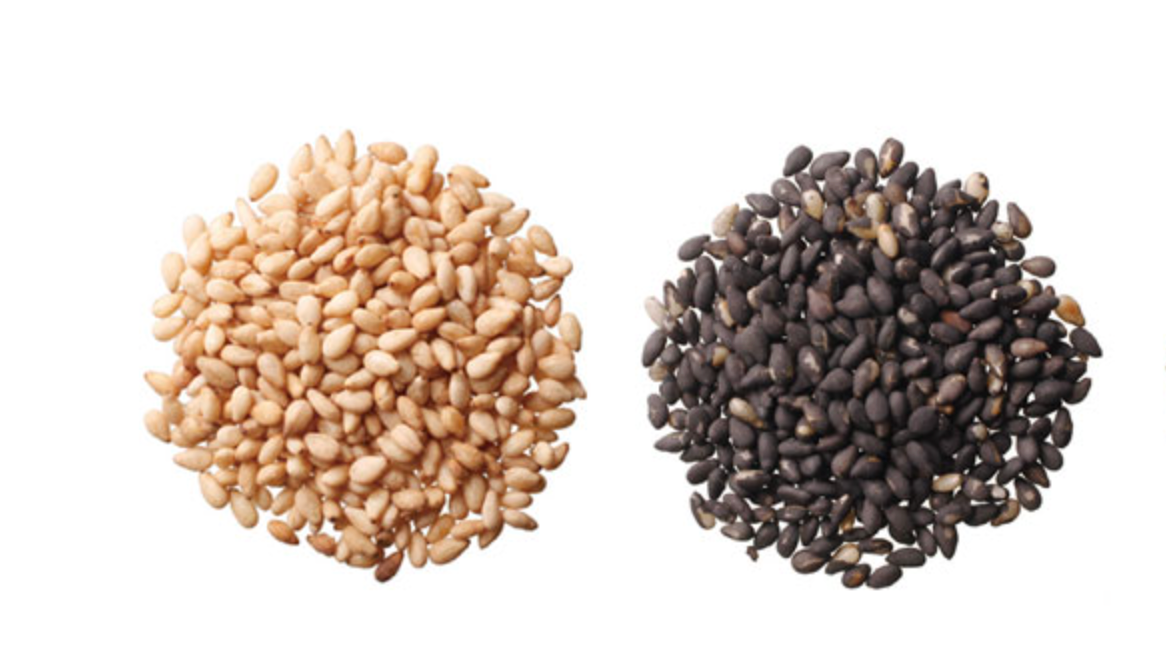
White and black mixed together blurs oil color and label identity. Lot separation and tank flushing are needed before retail SKUs are defined.
A cleaner start lets the discussion move faster to route, roast curve, and press class.
Control points
Prep flow
Strong front-end preparation removes most machine-size debates; the real variables are cleaning, variety, and roast control.
Send seed test and variety →Why it matters
When a sesame line underperforms, the press is usually the first thing blamed and the last thing at fault. A hydraulic press applies steady pressure; it cannot remove the dust, stones, and metal that a fine seed carries, nor can it repair an aroma that was over- or under-roasted upstream. Start with cleaning, because sesame is small: at a 1000-seed weight of only 2.5-4 g, the same gram of grit that a sunflower or peanut line would shrug off becomes a visible dark speck in a 100 ml bottle and a fines load that blinds the filter. A vibrating screen, air aspirator, magnetic separator, and destoner bringing impurities below 0.1% and stones below 0.05% is therefore the entry condition for retail-grade oil, not a luxury. Next is variety and lot separation. White sesame yields a lighter oil; black sesame carries more pigment and yields a darker oil with slightly higher antioxidant content, so mixing the two without separated lots and tank flushing quietly destroys the SKU identity that retail and certified-organic buyers pay for. Then comes the roast decision, which is really the product decision: 180-200°C for 15-25 minutes builds the nutty aroma and the sesamol that forms from sesamolin, while a cold route holds everything at or below 60°C to keep the oil light and mild. Because oil content (45-55%) and moisture (5-7%) vary between incoming lots, testing every batch and rejecting damaged or moldy seed — which pushes free fatty acids above 0.5% and shortens the 12-24 month shelf life — is what keeps quality consistent shift after shift. Get these things right and the hydraulic press becomes predictable; skip them, and no amount of extra tonnage will put the aroma, color, or clarity back.
Project boundary
Sesame Raw Material Preparation should not be quoted from an equipment name alone. Check feed lots, target oil, post-press handling, and packing rhythm in one scope before deciding which Sesame Oil Press modules stay. Factory sesame hot: ~30 kg/batch with 6 partitions on 325; cold uses 355–500. Do not use peanut 100 kg barrel loads.
When feed condition, moisture, impurities, batch weight, and product position are unclear, press tonnage and filter area become guesswork. Factory systems share 60 MPa and 2.2 kW motors; hot pure press is 30–40 min/barrel and cold pure press is ~2 h/barrel — cycle time matters more than brochure tonnage.
Factory model check
Pin models to published factory specs before tonnage talk.
Hot 300/325: 300–325 ton, 60 MPa system, standard barrel Ø390×800 mm / max 100 kg, pure press 30–40 min/barrel, ~1.5 h for 2 barrels with loading, 2.2 kW motor. Cold 355/400/426/480/500: 370–630 ton, integrated frame, same 100 kg standard barrel, pure press ~2 h/barrel, ~4.5 h for 2 barrels with loading; optional Ø300 high-pressure barrel max 60 kg. Residual oil target ~≤5% (peanut hot often 6–8% measured).
Equipment check
Once the route is clear, write the interfaces: how preparation feeds the press, how oil leaves the press, how filtration connects to tanks, and how packing receives finished oil.
Record feed form, daily volume, moisture, and sorting needs so pretreatment is not left to operators.
Factory hot sesame lines often use pneumatic multi-layer paper filters; cold adds polish filtration and N₂. Match bottling to the ~25–40 min cycle at ~30 kg/batch.
Prepare space, power (often 380V/50Hz/3ph), labor, target package, local rules, and acceptance method before quotation.
Because the seed is small — only 2.5-4 g per 1000 seeds. Dust and stones that a larger-seed line tolerates become visible dark specks in finished oil and a fines load that blinds the filter. Target impurities <0.1% and stones <0.05% with a screen, aspirator, magnet, and destoner before pressing.
Pressing parameters are similar (oil 45-55%, moisture 5-7%, same temperature ranges), but black sesame carries more pigment and yields darker oil. Keep lots separated and flush tanks between them so retail SKU color and label identity — especially for white-label, single-origin, or certified-organic products — stay clean.
Related guides
Plan black sesame oil around separate seed lots, roast curve, darker oil color, aroma positioning, cake identity, bottle labels, and changeover from white sesame.
How the roasting curve and timing decide aroma sesame oil quality: heat stages, sampling, rapid cooling, and pacing a 100 kg roaster with 325 presses.
How to choose a hydraulic sesame oil press in India: local market reality, business-model fit (shop / batch factory / export), the 325 hydraulic route, and the data to send before a quote.
How to choose a hydraulic sesame oil press in Nigeria: local market reality, business-model fit (shop / batch factory / export), the 325 hydraulic route, and the data to send before a quote.
Send feed condition, target output, post-press destination, and site constraints — we reply with a workable scope.