Sesame preparation: cleaning to <0.1% + roasting 180-200°C × 15-25 min
Sesame's 1000-seed weight (2.5-4 g) makes intake cleaning the single biggest predictor of oil clarity and filter life. Target: impurities <0.1%, stones <0.05%, foreign matter zero by visual. Roast (hot route): drum or wok 180-200°C × 15-25 min, color amber-brown, log temperature curve per batch — sesamol forms from sesamolin during this step and drives 12-24 month shelf life.
Cleaning module spec
Vibrating screen (40-60 mesh top + 80-100 mesh bottom) + air aspirator (low-density chaff) + magnetic separator (metal) + destoner (density). Capacity 200-500 kg/h. Target impurities <0.1%, stones <0.05%.
Lot separation
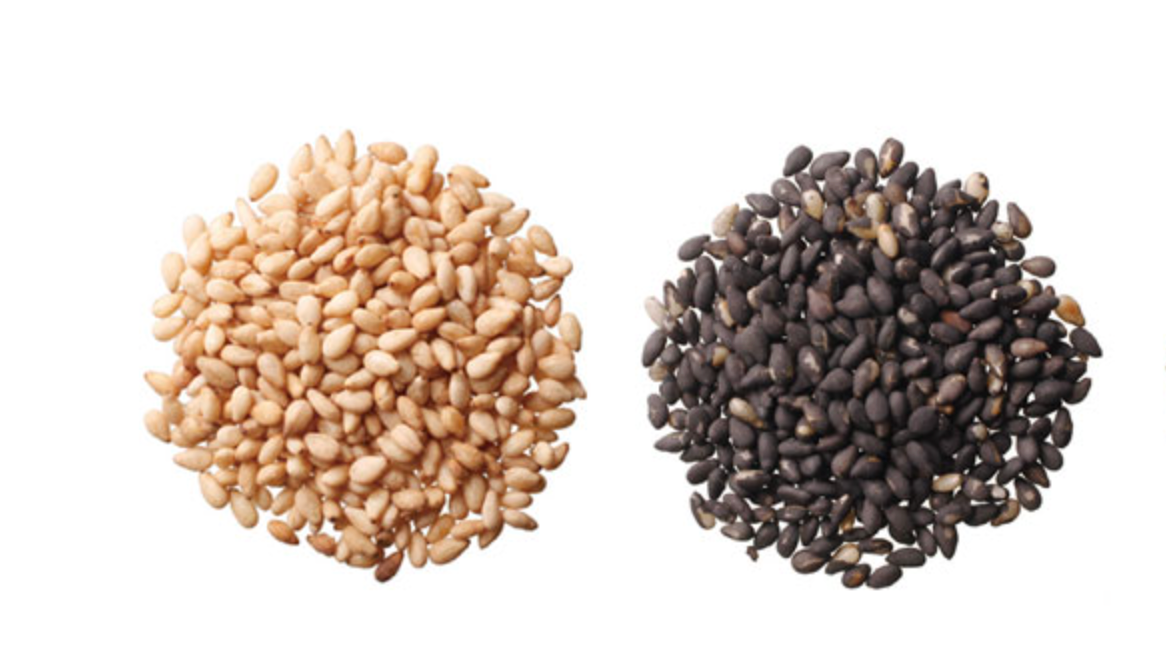
White sesame (lighter oil), black sesame (darker oil + extra pigments + slightly higher antioxidants). Lot separation essential for SKU integrity. Tank flush + barrel cleaning between varieties.
Roaster spec (hot route only)
Drum roaster: stainless steel, gas/electric, 50-200 kg/batch, 180-200°C × 15-25 min, residence time logged per batch. Wok roaster: 50-100 kg/batch, traditional 小磨香油, motorized paddle, stronger aroma.
Cleaning specifications
Why <0.1% impurities is non-negotiable for sesame
- 1000-seed weight 2.5-4 g vs peanut 400-700 g vs sunflower 50-100 g — sesame seeds are 100-300× lighter, so dust/stones at the same mass percentage occupy disproportionate volume.
- Stones at >0.05% chip press barrel partitions and contaminate crude oil; foreign matter at >0.1% clogs 200-300 mesh plate-frame filter within 1-2 batches.
- Cleaning sequence: vibrating screen (size) → air aspirator (low-density chaff/dust) → magnetic separator (metal) → destoner (density-based gravity table). Process flow capacity 200-500 kg/h matches typical sesame line throughput.
Roast specification
Roast 180-200°C × 15-25 min: aroma, sesamol, shelf life
Temperature 180-200°C
Below 180°C → under-developed sesamol formation, weak aroma. Above 200°C → scorched flavor, possible PAH formation. Target color amber-brown. Drum roaster: log temperature every 2-3 min.
Time 15-25 min
Below 15 min → uneven heating, aroma inconsistency lot to lot. Above 25 min → over-roasting, bitter notes. Adjust by batch size (50 kg shorter, 200 kg longer). Standardize per SKU.
Sesamol formation
Sesamol forms from sesamolin hydrolysis during 180-200°C roasting → boosts antioxidant pool to 0.4-1.0% (combined with sesamin) → enables 12-24 month shelf life with N₂ packaging.
Inquiry inputs
Preparation data that closes the quote loop
- Variety: white, black, or both? Lot separation in place? Tank flush procedure between varieties?
- Cleaning module list: vibrating screen + air aspirator + magnetic separator + destoner. Capacity (kg/h)?
- Route: roasted (180-200°C × 15-25 min, drum or wok) or cold (≤60°C, skip roasting) or both with changeover?
- Roaster type and batch size: drum (50-200 kg, continuous) or wok (50-100 kg, traditional)?
- Final filter: 200-300 mesh (crude/roasted retail) / 1-5 μm bag (cold premium) / 0.22 μm sterile (cosmetic)?
Questions to confirm next
Drum or wok roaster for sesame?
Can white and black sesame share one line?
Keep following the route
These next topics keep route, oil finish, and packaging aligned
Ready to size a line for your oilseed?
Share route, flavor target, oil appearance, and package direction. That helps us tell whether the fit is a machine phase, a polishing module, or a fuller product-ready line.