Sesame routes compared: temperature, press class, yield, oil character
Roasted (Asian flavor oil): drum/wok 180-200°C × 15-25 min → 200-325 ton press at 80-100°C → 40-60 min cycle → yield 40-50% → amber color, smoke point 177°C. Cold (Western premium): ≤60°C end-to-end → 355-500 ton → 60-90 min cycle → yield 35-42% → light golden, FFA <0.5%. Same seed (oil 45-55%, sesamol/sesamin 0.4-1.0%), different oils, different markets.
Cold route hard data
≤60°C → 355-500 ton hydraulic → 80-100 kg/barrel → 60-90 min cycle → yield 35-42% → 1-5 μm bag filter → light golden, mild taste. Cosmetic-grade: ≤40°C + 0.22 μm sterile + GMPC / ISO 22716.
Roasted route hard data
Drum/wok roaster 180-200°C × 15-25 min → 200-325 ton press at 80-100°C → 40-60 min cycle → yield 40-50% → 200-300 mesh filter → amber color, smoke point 177°C, sesamol-rich.
Shared requirements
Both: oil 45-55%, moisture 5-7%, 1000-seed 2.5-4 g, impurities <0.1%, FFA <0.5%, peroxide <5 meq O₂/kg, dark glass 100-250 ml + N₂ headspace O₂ <2%, shelf life 12-24 months.
Hard-data comparison
Where roasted and cold routes physically diverge
Temperature and time
Roasted: 180-200°C × 15-25 min in drum or wok roaster, then 80-100°C press jacket. Cold: skip roasting, ambient feed, ≤60°C press jacket (water cooling for long cycles, ≤40°C for cosmetic).
Press class and cycle
Roasted on 200-325 ton: 40-60 min/barrel, yield 40-50% (heat reduces oil viscosity, faster recovery). Cold on 355-500 ton: 60-90 min/barrel, yield 35-42% (longer hold compensates for lower temperature).
Oil character and use
Roasted: amber color, sesamol formed from sesamolin during 180-200°C roasting, smoke point 177°C, used as flavor finishing oil (drizzle, marinade). Cold: light golden, milder flavor, used for salad, cosmetic, infant nutrition (FFA <0.3%).
Decision criteria
What actually picks roasted vs cold
- End market: Asian/regional flavor oil (drizzle, dipping) → roasted. Western premium salad / cosmetic → cold. Both SKUs → two batch programs with strict changeover.
- Filtration depth: 200-300 mesh + bag (roasted, retail) vs 1-5 μm bag (cold, premium) vs 0.22 μm sterile (cosmetic).
- Compliance: food (FFA <0.5%) vs infant (FFA <0.3%) vs cosmetic (≤40°C + GMPC / ISO 22716). Each tightens prep, press, and filter spec.
- Yield economics: 40-50% (roasted) vs 35-42% (cold). The 5-10-pt gap is recovered by 1.5-3× retail price on cold-pressed premium bottles.
Common errors
Where sesame route claims fall apart
- Marketing 'cold-pressed' on a line that exposes feed to ≥60°C anywhere in the chain (or ≥40°C for cosmetic).
- Specifying 'roasted' without naming roaster type (drum/wok), temperature (180-200°C), and time (15-25 min) — aroma consistency depends on this log.
- Using 200-300 mesh crude filter on a line marketed as premium cold-pressed for retail; 1-5 μm bag filter is required for shelf clarity.
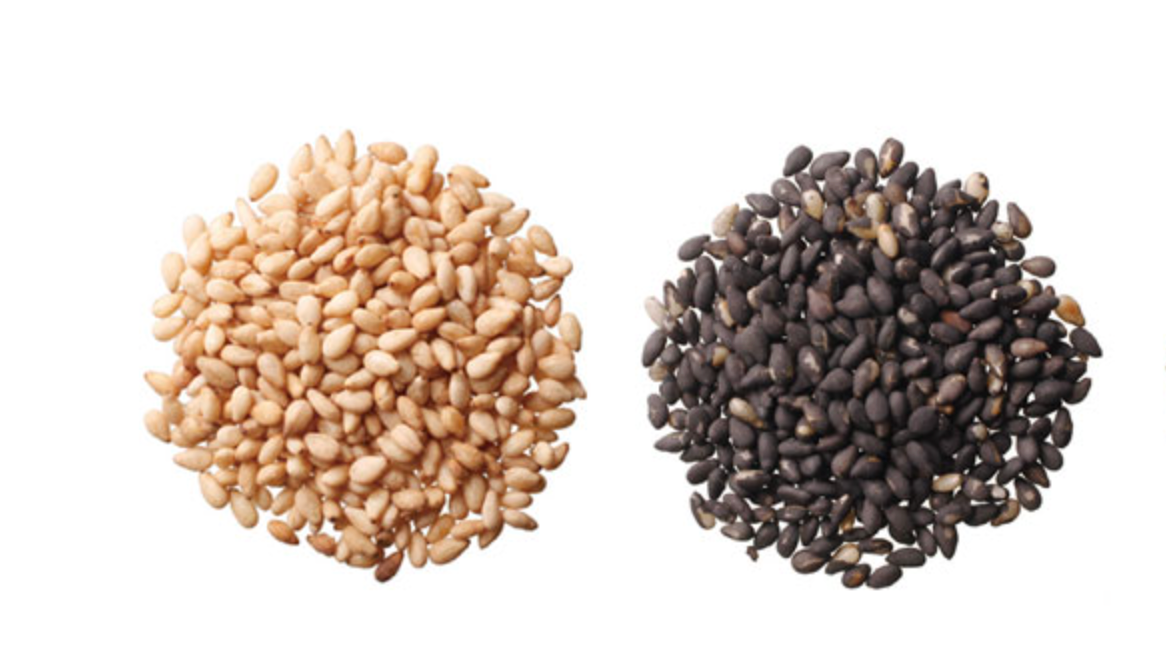
- Mixing white and black sesame on one line without changeover and tank flushing — destroys SKU integrity and antioxidant claims.
Questions to confirm next
Can one press handle both roasted and cold sesame?
Why does roasted sesame have higher yield than cold?
Keep following the route
These next topics keep route, oil finish, and packaging aligned
Ready to size a line for your oilseed?
Share route, flavor target, oil appearance, and package direction. That helps us tell whether the fit is a machine phase, a polishing module, or a fuller product-ready line.